Kyoto: Japan’s Timeless Cultural Gem – Top Attractions and Authentic Experiences
Kyoto, once the imperial capital of Japan for over 1,000 years, is a city that preserves the essence of traditional Japanese culture while embracing subtle modernity. Nestled among lush mountains, it boasts over 1,600 temples, countless shrines, serene gardens, and historic districts that transport visitors to a bygone era. From cherry blossoms in spring to vibrant red maple leaves in autumn, Kyoto’s natural beauty complements its cultural heritage, making it a year-round destination. Below are the key highlights and unmissable experiences that make Kyoto a must-visit for anyone seeking an authentic taste of Japan.
1. Iconic Temples and Shrines: Kyoto’s Spiritual Heart
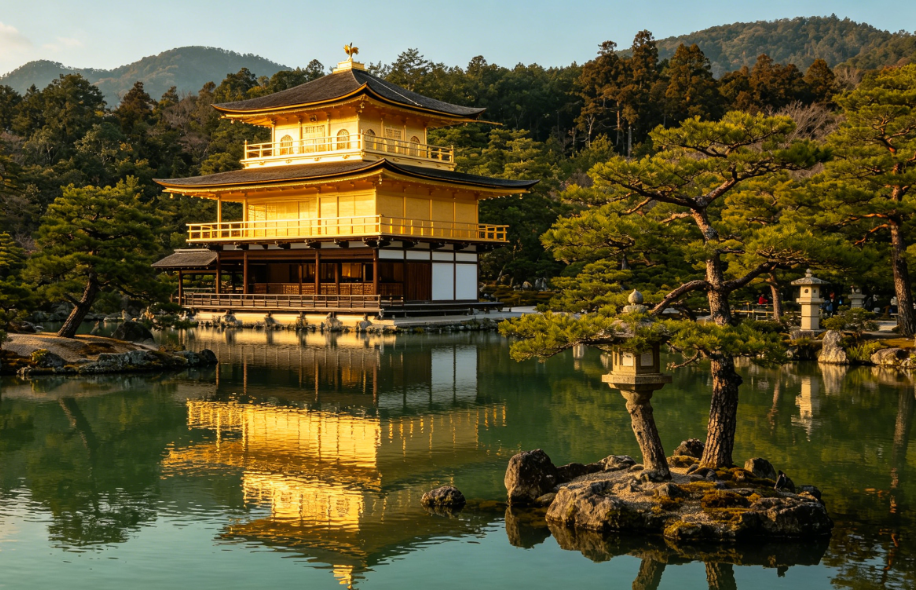
Kyoto’s temples and shrines are masterpieces of Japanese architecture and spirituality, each with its own unique charm and history. Kinkaku-ji (Golden Pavilion), officially named Rokuon-ji, is one of Kyoto’s most famous landmarks—a Zen temple covered in gold leaf that shimmers beautifully in the sunlight, reflecting on the adjacent pond. Fushimi Inari Taisha, known for its thousands of vermilion torii gates winding up a mountain, is a sacred Shinto shrine dedicated to Inari, the god of rice and prosperity. Hiking through the torii gates offers a peaceful and immersive experience, with stunning views of the city below. Kiyomizu-dera, a UNESCO World Heritage Site, is a wooden temple perched on a cliff, offering panoramic views of Kyoto and featuring a large wooden terrace that requires no nails for support.
2. Traditional Gardens: Serenity in Every Corner
Japanese gardens are an integral part of Kyoto’s culture, designed to evoke peace, harmony, and connection with nature. Ryoan-ji Temple is home to one of the most famous rock gardens in the world—a dry landscape garden (kare-sansui) with 15 rocks arranged in a bed of white gravel, inviting visitors to meditate and interpret the scene. Ginkaku-ji (Silver Pavilion), despite its name, is not covered in silver but features a stunning moss garden, a sand garden, and a pond surrounded by lush greenery. The Philosopher’s Path, a stone path along a canal lined with cherry trees and maple trees, is a popular spot to stroll and admire the gardens and traditional houses that line the way, especially during spring and autumn.
3. Historic Districts: Step Into Traditional Japan
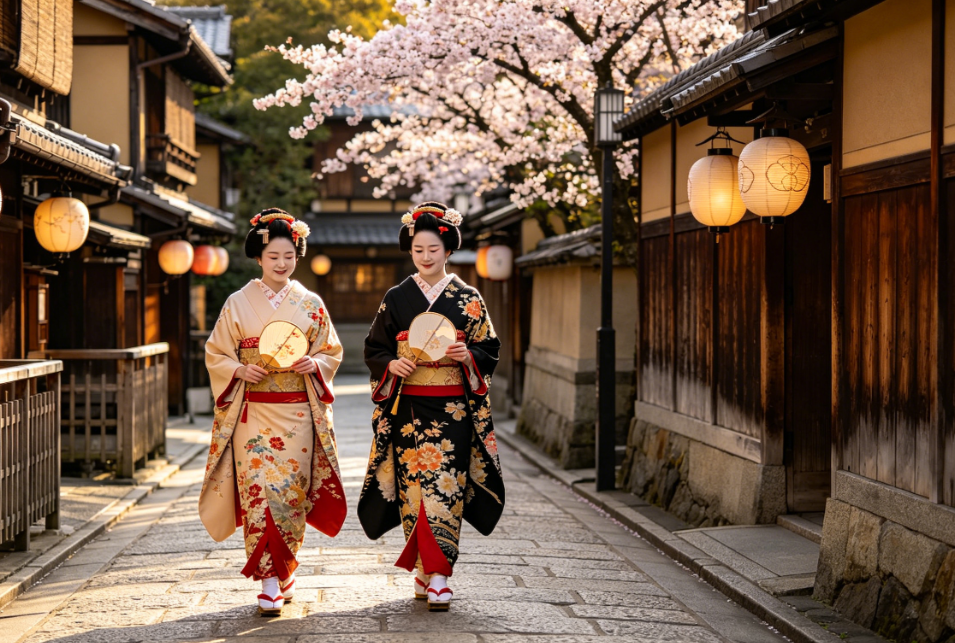
Kyoto’s historic districts offer a glimpse into traditional Japanese life, with preserved wooden machiya (townhouses), narrow streets, and local shops. Gion, the most famous geisha district, is a charming area where you might spot geisha (or maiko, apprentice geisha) in their elegant kimono, hurrying to appointments. The streets of Gion are lined with traditional tea houses, restaurants, and boutiques selling Japanese crafts. Higashiyama District, near Kiyomizu-dera, features cobblestone streets, wooden buildings, and small shops selling pottery, sweets, and souvenirs. Nishiki Market, often called “Kyoto’s Kitchen,” is a 400-year-old market with over 100 stalls selling fresh food, traditional snacks, and local specialties.
4. Seasonal Beauty: Cherry Blossoms and Autumn Foliage
Kyoto’s beauty changes with the seasons, offering unique experiences year-round. Spring (late March to early April) brings cherry blossoms (sakura), with popular viewing spots including Maruyama Park, Philosopher’s Path, and Arashiyama Bamboo Grove. The pink blossoms create a magical atmosphere, and locals and visitors alike gather for hanami (cherry blossom viewing) picnics. Autumn (late October to early November) is equally stunning, with maple leaves (koyo) turning vibrant shades of red, orange, and yellow. Top spots for autumn foliage include Tofuku-ji Temple, Kiyomizu-dera, and Arashiyama, where the combination of red leaves and traditional architecture creates breathtaking views.
5. Authentic Japanese Cuisine: Savor Kyoto’s Culinary Delights
Kyoto is a food lover’s paradise, known for its refined and delicate cuisine, heavily influenced by traditional kaiseki (multi-course meal) and local ingredients. Kaiseki is a culinary art form that emphasizes seasonal ingredients, balanced flavors, and beautiful presentation—each dish is a work of art. Must-try local dishes include yudofu (tofu hot pot), a simple yet flavorful dish popular in winter; matcha desserts, such as matcha parfaits, mochi (glutinous rice cakes), and wagashi (traditional Japanese sweets); and obanzai, home-style Kyoto dishes made with fresh, local vegetables. Don’t forget to try Kyoto’s famous matcha tea, which is grown in the nearby Uji region and is known for its rich, earthy flavor.
6. Cultural Experiences: Immerse Yourself in Tradition
Kyoto offers plenty of opportunities to immerse yourself in traditional Japanese culture. Take a kimono-wearing experience to explore the city’s historic districts in traditional attire—many shops offer kimono rentals with assistance from staff. Join a tea ceremony (chanoyu) to learn about the art of preparing and serving matcha, a ritual that emphasizes mindfulness and respect. Visit a pottery studio in the town of Gojo-zaka to try your hand at making traditional Kyoto pottery, or attend a traditional Japanese dance performance to witness the elegance and grace of this art form. For a unique experience, stay in a ryokan (traditional Japanese inn), where you can sleep on a futon, enjoy a kaiseki meal, and relax in an onsen (hot spring) if available.
Kyoto is a city that captivates with its timeless beauty, rich culture, and warm hospitality. Whether you’re exploring ancient temples, strolling through serene gardens, savoring delicious cuisine, or immersing yourself in traditional experiences, Kyoto offers a journey that feels both nostalgic and inspiring. It’s a place where the past and present coexist harmoniously, making it one of the most beloved travel destinations in Japan and the world.