Everyday Pantry Shelf Arrangement Tips for Regular Homeowners
Most pantry organizing content online showcases perfectly uniform, magazine-style shelves that only work for staged homes. For regular families who cook daily, stock up on groceries, and mix snacks, condiments, and dry goods, these flawless setups are unsustainable. Many homeowners spend hours reorganizing their pantry, only to face messy shelves, hidden expired food, and wasted space within a week. Real household pantries deal with humidity, random packaging sizes, frequent restocks, and busy family routines. This article answers the most common pantry shelf arrangement questions from ordinary house owners. All solutions are simple, actionable, and built for real daily use. Every tip includes honest drawbacks and realistic limitations, without idealized hacks or unnecessary product promotions. Two genuine personal household experiences are included to deliver relatable, trustworthy advice.
1. Why does my pantry always get messy so fast after reorganizing?
Pantry clutter rarely comes from being untidy; it comes from poor shelf placement. Most people organize by appearance, lining up similar-looking packages together, regardless of how often they use them. Daily items like cooking sauces, quick snacks, and breakfast cereals often get pushed to high shelves or deep back corners. These hard-to-reach spots encourage family members to take items out and put them back randomly, creating constant disarray. The simplest fix is arranging items by usage frequency. Keep everyday food and seasonings at eye level, place weekly-used dry goods on upper easy-reach shelves, and store bulk stock and seasonal items on the top or bottom rows.
Limitations: This method relies on consistent family habits. If anyone misplaces items regularly, messes will return quickly. It also cannot fix overstocking issues; too many groceries will always crowd shelves no matter how well you arrange them.
2. What is the most practical top-to-bottom shelf layout for a family pantry?
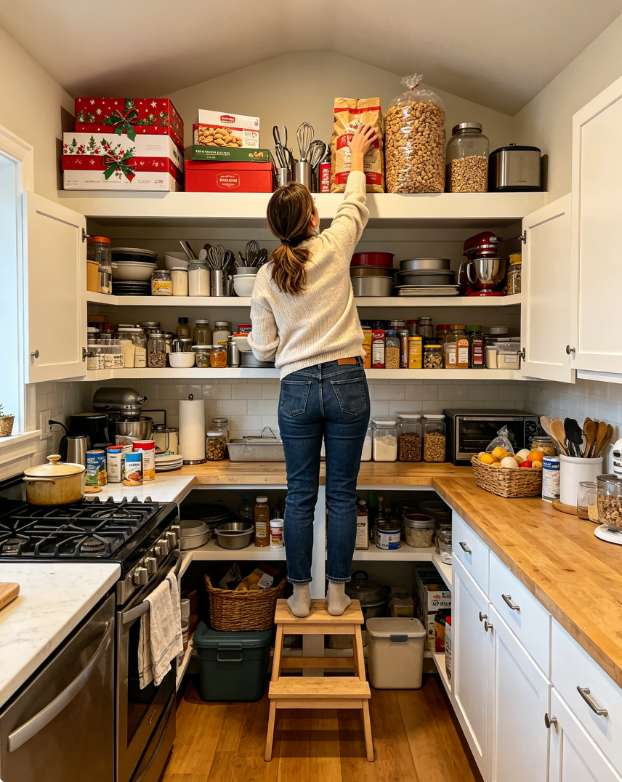
For average household pantries, follow a straightforward functional layout. Reserve top shelves for rarely used items such as holiday snacks, backup bulk grains, and seasonal ingredients. Use upper-middle shelves for dry goods like pasta, rice, and oats that families use several times weekly. Keep eye-level shelves fully dedicated to daily cooking condiments, bottled sauces, and kids’ everyday snacks. Place heavy canned goods and bulky packaged food on lower shelves, and use the pantry floor for large water packs and oversized grocery bundles. This structure minimizes bending and stretching during daily cooking.
Limitations: Standard layered layouts do not fit deep, narrow pantry designs. Items placed at the back of deep shelves stay out of sight. Also, heavy items on low shelves require frequent bending, which is inconvenient for elderly family members.
3. How do I stop food from expiring hidden at the back of pantry shelves?
The most reliable method is the front-old, back-new restocking rule. Every time you finish grocery shopping, move all older food items to the front of shelves and place newly bought items at the back. Group identical food types together so you can scan expiration dates at a glance. I have followed this routine for my home pantry for over two years. Previously, I would find multiple expired sauce bottles and stale snacks every few months. After sticking to this simple restocking habit, food waste in my pantry has dropped significantly.
Limitations: This routine adds 5 to 10 minutes of extra work after every grocery trip. It does not work well for tiny loose ingredients, and unlabeled bulk food still tends to be forgotten over time.
4. Do I need matching uniform containers for a tidy pantry?
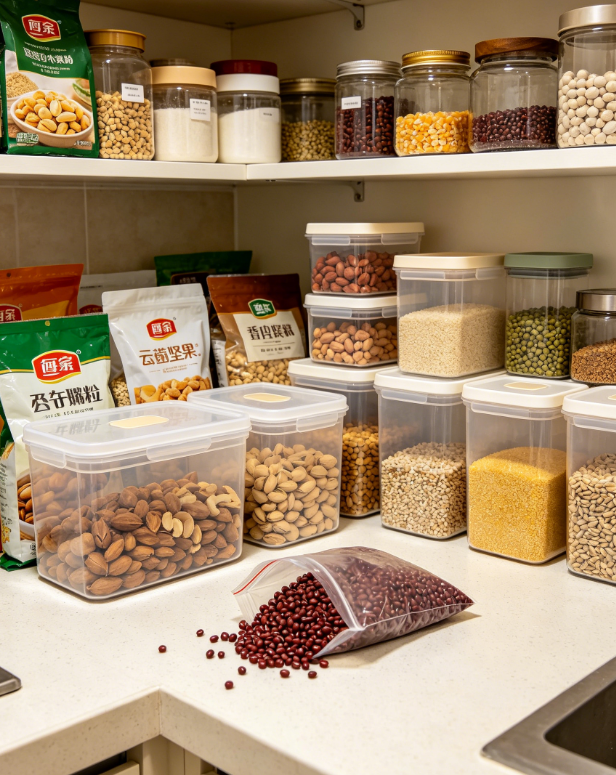
Uniform containers are never a necessary requirement for a functional pantry. They only improve visual neatness for photos. For real family use, keeping original packaging is more practical because factory labels show clear expiration dates, ingredient lists, and storage instructions. You only need basic simple containers for loose items like nuts, beans, and dried grains that easily spill or get mixed up.
Limitations: Mixing original packages and random containers makes shelves look less organized visually. Low-quality sealed containers may fail to block moisture, causing dry food to turn damp in humid weather conditions.
5. How do I organize a small pantry with very limited shelf space?
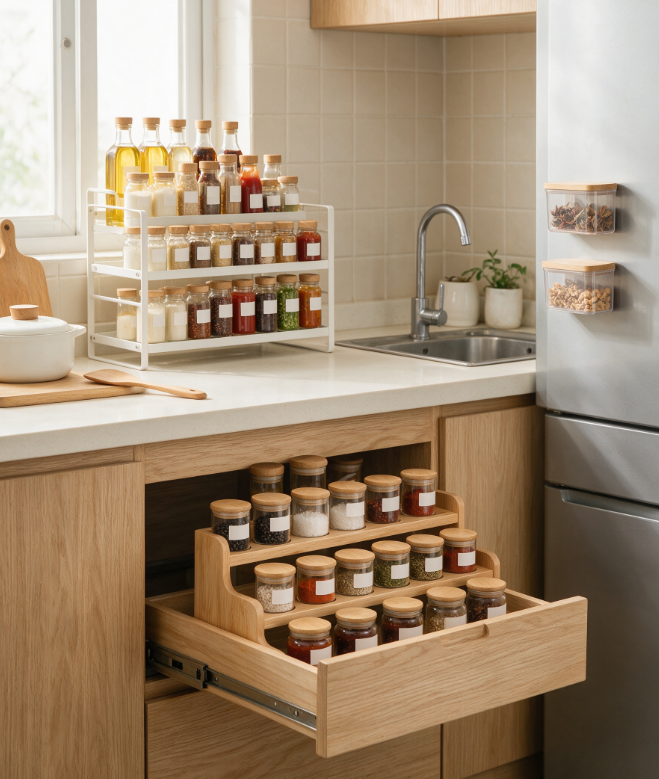
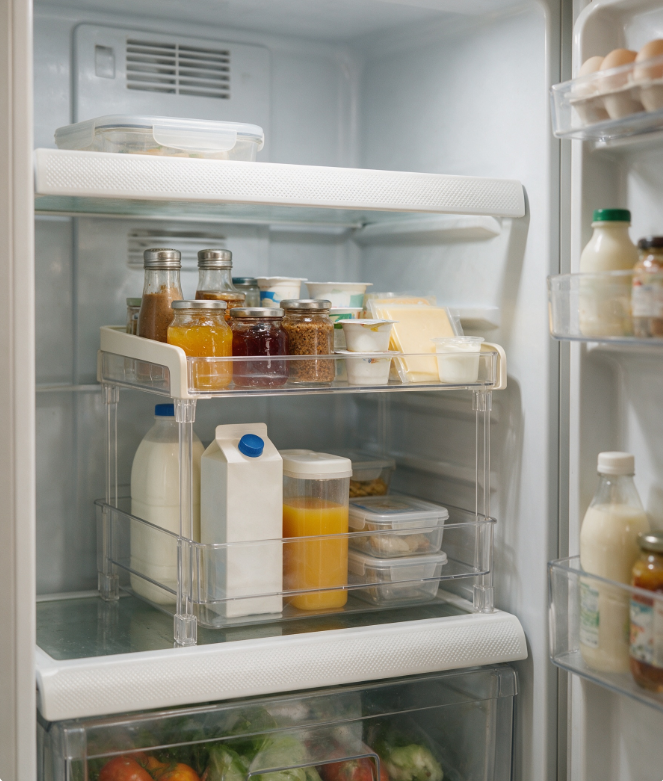
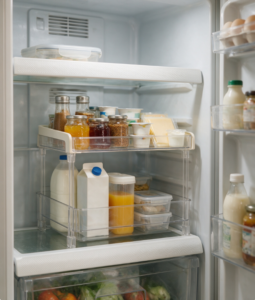
Small pantries rely on vertical space optimization instead of flat stacking. Use basic shelf risers to create double-layer storage on flat shelves, hang lightweight spice sachets and small snack packs on the inner pantry door, and fill narrow gaps with slim cartons and tall bottles. Do a monthly quick purge to throw away expired or untouched items to free up valuable space.
Limitations: Shelf risers reduce vertical height, making tall food packages impossible to fit. Door hanging storage cannot hold heavy items and may prevent the pantry door from closing smoothly if overloaded.
6. Should I separate cooking ingredients and snacks on different shelves?
Full zone separation is highly recommended for family pantries. Set independent shelf areas for cooking seasonings, flour, rice, and baking supplies, and reserve separate spaces for leisure snacks and daily drinks. Avoid mixing cooking ingredients and casual snacks on the same shelf. I used to stack all food together randomly, which made me waste lots of time searching for specific seasonings while cooking. After dividing clear zones, my pantry became far more efficient to use.
Limitations: Strict zone separation requires enough shelf layers and width. Ultra-small pantries cannot support full division, forcing partial mixed placement out of necessity.
7. How do I keep pantry shelves dust-free and long-lasting?
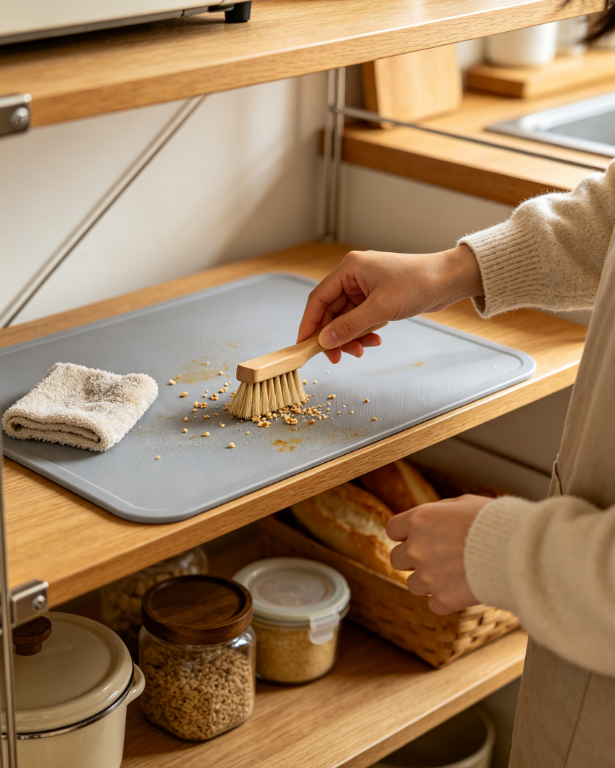
Place washable shelf liners on all flat surfaces to block dust, crumbs, and minor oil stains from kitchen floating fumes. Do a quick wipe-down every two weeks and clean up spilled crumbs immediately. Store all unsealed dry food in basic sealed containers to avoid dust accumulation inside packages.
Limitations: Shelf liners collect hidden dirt along the edges and need regular replacement. Pantries near cooking areas still accumulate fine oil dust, no matter how frequently you clean.
8. What are the biggest pantry arrangement mistakes homeowners should avoid?
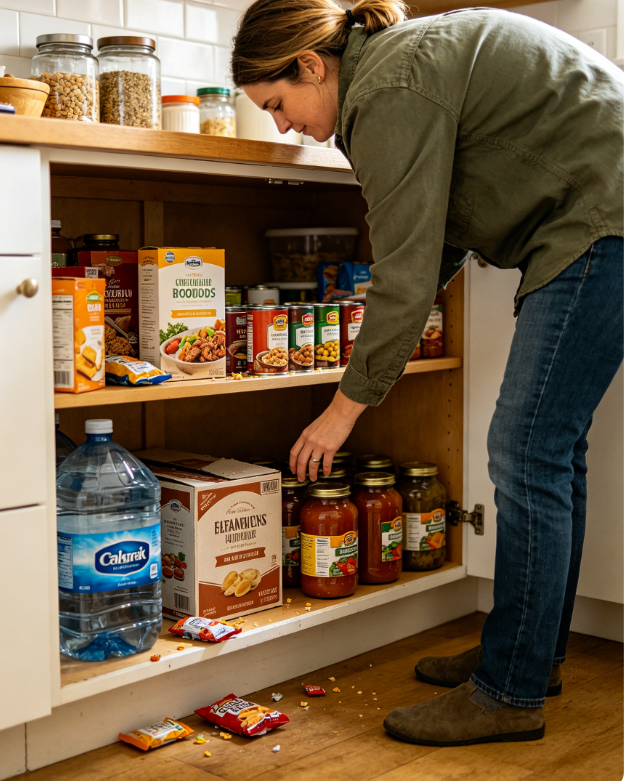
The most common mistakes include overstocking more than one month of groceries, hiding daily essentials in deep shelf corners, mixing new and old food randomly, and placing heavy cans on high shelves. These habits cause invisible food waste, messy layouts, and even minor safety hazards. Always limit bulk stock, prioritize visible placement for daily items, and keep heavy goods on lower shelves.
Limitations: Limiting stock volume is hard for families who prefer bulk shopping to save money. It requires strict grocery planning and self-control to avoid over-purchasing.
In the end, great pantry shelf arrangement is not about creating perfect, picture-perfect shelves. It is about building an easy, sustainable system that fits real family cooking habits, reduces food waste, and cuts down daily organizing work. Accepting the small flaws of regular storage methods helps homeowners maintain a practical, tidy pantry without unnecessary stress and endless reorganizing.