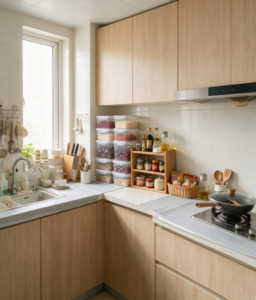
Down-to-Earth Home Storage Guide for Ordinary Families
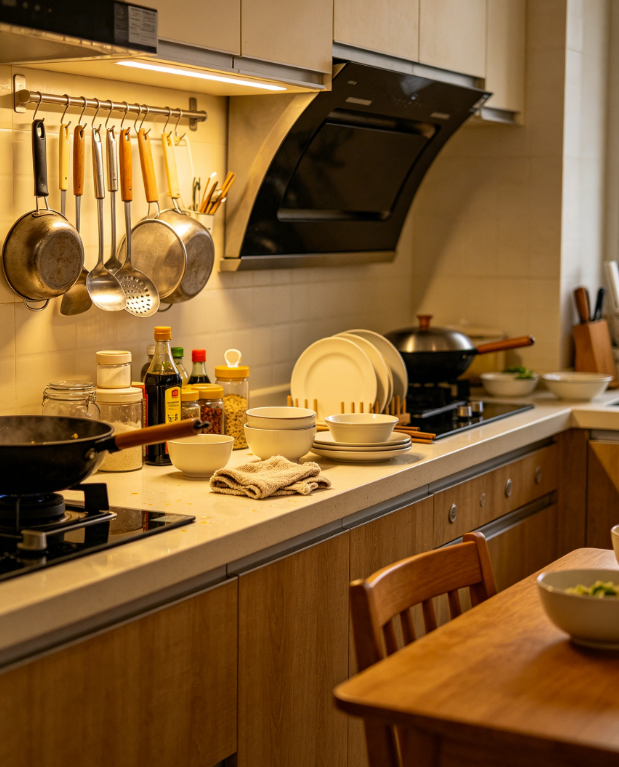
Most home storage tutorials online showcase flawless, studio-styled homes that are impossible to maintain in real life. For ordinary families with busy daily routines, daily necessities, and limited living space, tidy spaces always fall into chaos quickly. Many popular organizing methods are too impractical for regular households, focusing only on visual neatness rather than long-term usability. This article sorts out the most common storage puzzles that ordinary homeowners encounter daily. All solutions are simple and actionable, with real drawbacks and limitations listed for each method. The content is based on real household living experience, suitable for daily family storage management.
1. Why does my home get messy again soon after thorough organizing?
The core cause is unreasonable item storage habits, not laziness. Most people store frequently used items in high shelves or deep cabinet corners, which are troublesome to reach. Family members will randomly place daily items on tables, countertops or floors for temporary use, leading to repeated clutter. The most effective solution is to classify items by usage frequency. Put daily necessities at easy-to-reach height, items used weekly in ordinary cabinets, and seasonal supplies in high or hidden storage areas. A 3-minute daily finishing routine can effectively avoid messy accumulation.
Limitations: This method requires consistent cooperation from all family members. It cannot solve the fundamental problem of insufficient household storage space, and clutter will rebound rapidly without daily adherence.
2. Can more storage boxes completely solve household clutter?
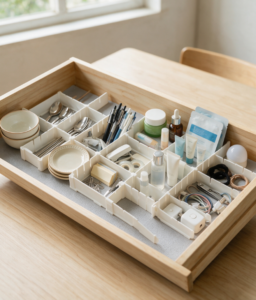
Increasing storage containers cannot fundamentally fix clutter problems. Many homeowners blindly buy various storage boxes before sorting their belongings, and finally use these boxes to hoard useless idle items, forming hidden clutter. The correct order is sorting first, then storage. Clean up discarded and unused items regularly, and use simple classified containers to organize the rest of the belongings according to actual space size.
Limitations: Universal storage boxes cannot fit irregular gaps in home cabinets. Stacked boxes make internal items difficult to access and easy to forget, and low-quality containers will deform after long-term heavy use.
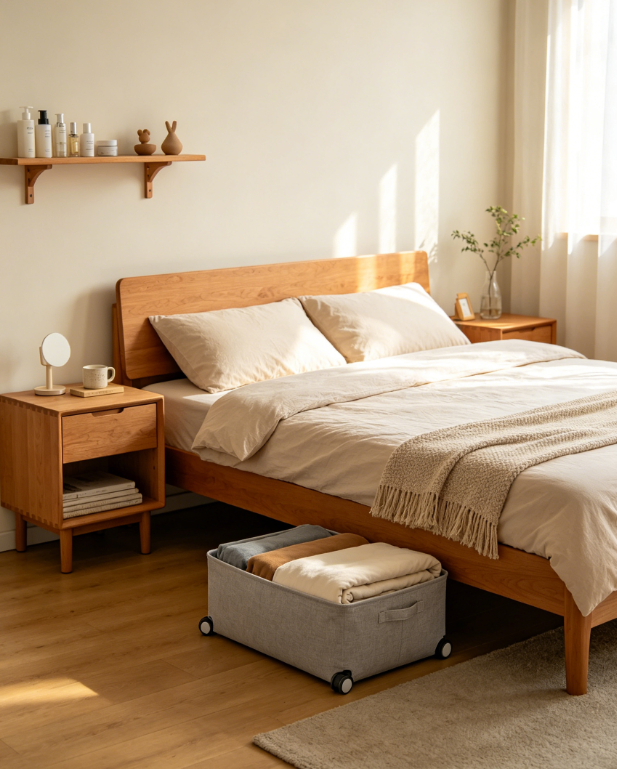
3. How to organize a small bedroom without a fixed closet?
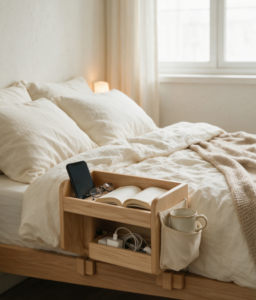
Make full use of neglected vertical and hidden dead space. Slim wall shelves can store skin care products and small accessories, rolling under-bed drawers are suitable for off-season clothes and quilts, and over-the-door organizers can hold daily shoes and sundries. Only keep the clothes worn recently exposed to avoid crowding the limited bedroom space.
Limitations: Door hanging organizers will block door opening and closing and cannot bear heavy items. Most rental houses do not allow wall drilling, and under-bed storage spaces are prone to dust accumulation, increasing cleaning pressure.
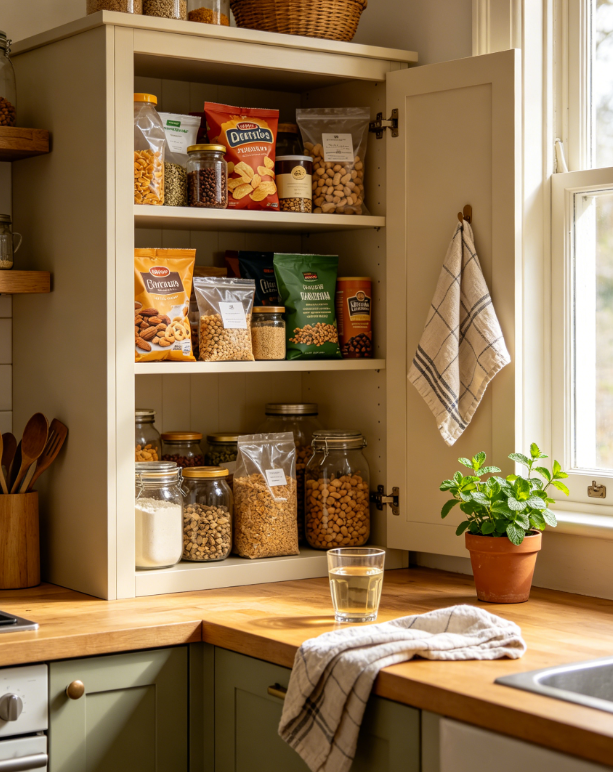
4. What is the most practical way to tidy up messy kitchen cabinets?
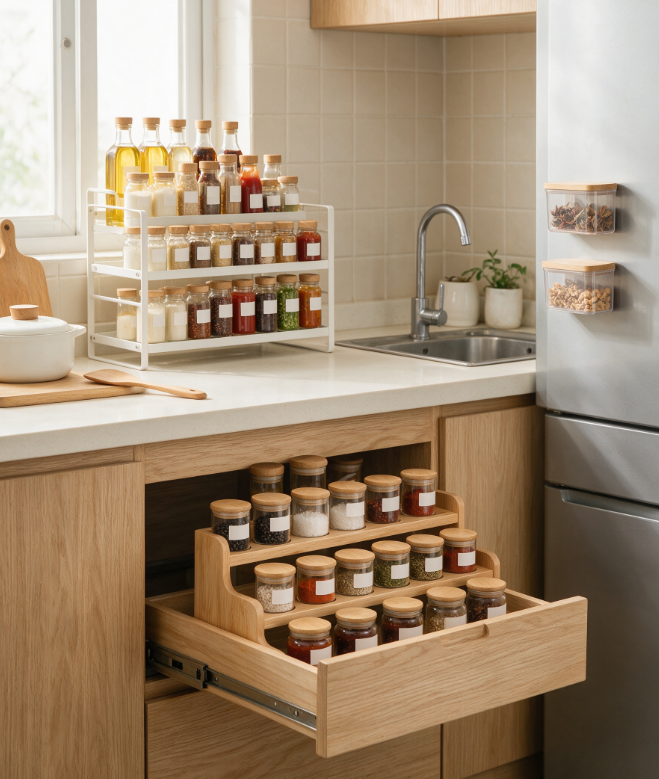
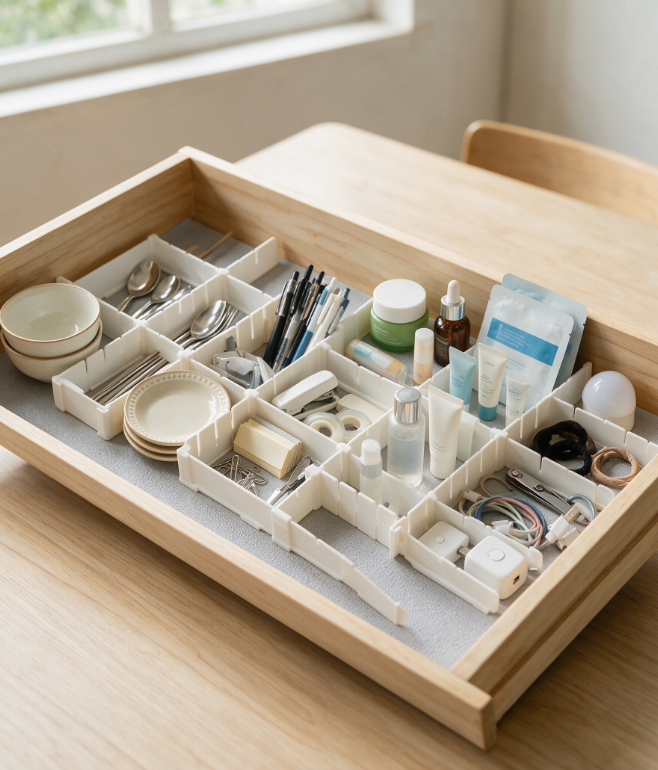
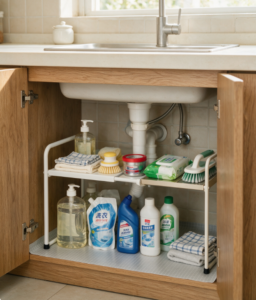
Organize kitchen items by usage zone instead of single category. Place cooking utensils and seasonings near the stove, tableware near the dining area, and cleaning supplies under the sink. Use simple shelf risers to expand vertical cabinet space and separate scattered tableware and utensils. Regularly clean up expired condiments and duplicate kitchen tools every quarter.
Limitations: Shelf risers occupy vertical space and cannot place tall seasoning bottles. Items stored in the deep part of cabinets are still hard to take and easy to be left unused for a long time.
5. Is customized built-in storage worth investing in for ordinary families?
Custom storage can make full use of awkward wall corners and irregular gaps that finished furniture cannot cover. I customized a set of shallow wall storage cabinets for my living room two years ago. It perfectly made use of the idle wall gap, completely solved the problem of scattered placement of daily sundries, and greatly improved the utilization rate of indoor space.
Limitations: Custom storage is much more expensive than ordinary finished furniture. It is fixed and immovable, unable to adjust the layout with house moving or furniture rearrangement, and lacks flexibility.
6. How to completely improve the problem of messy shoes at the entryway?
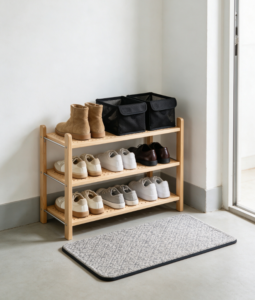
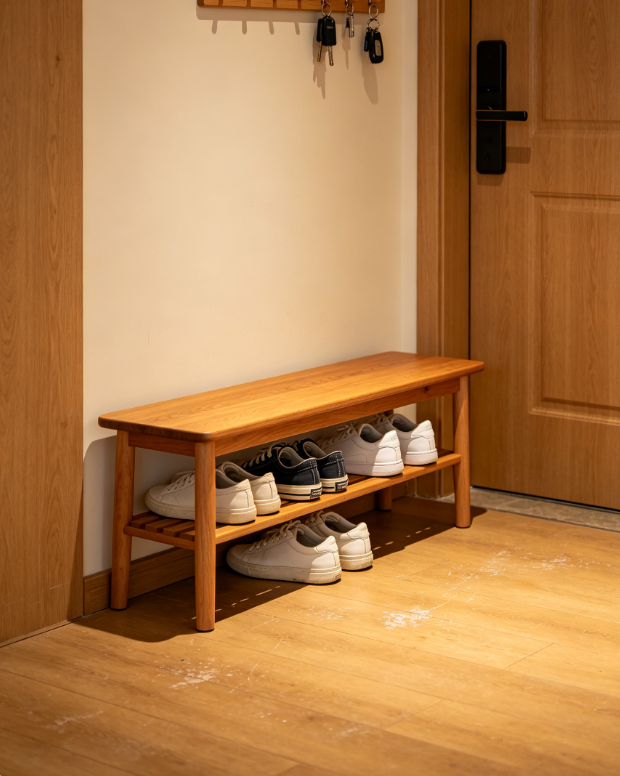
Control the number of exposed shoes strictly. Reserve 1 to 2 pairs of daily wear shoes for each family member on the entryway shoe rack, and store all seasonal shoes and occasional wear shoes in closed storage spaces. I used to pile all shoes at the door, which made the entryway crowded and dirty. After adhering to this simple sorting rule, my entryway has remained tidy all year round.
Limitations: Slim entryway shoe racks cannot accommodate bulky winter boots. Exposed shoe storage is easy to accumulate dust and cannot save floor space for ultra-small apartments.
7. Which is more suitable for family use, open shelves or closed cabinets?
The two storage methods have their own applicable scenarios. Open shelves are suitable for daily used cups, books and ornaments, facilitating quick access. Closed cabinets are more suitable for messy sundries and dust-prone items. Matching the two reasonably is the most practical choice for ordinary families.
Limitations: Open shelves need frequent dusting and look messy with random placement. Closed cabinets waste deep internal space and have higher installation and renovation costs.
8. How to maintain long-term household tidiness with low effort?
Set a fixed placement position for every item at home, and stick to a 5-minute nightly tidying up. Conduct a seasonal sorting every three months to clean up idle items and expired supplies, avoiding continuous accumulation of household clutter.
Limitations: Long-term tidy maintenance depends on the living habits of all family members. Busy work and irregular schedules will still lead to slow clutter accumulation.
In short, excellent home storage is not about stuffing more items into limited space, but building simple and sustainable sorting systems that adapt to real family life. Accepting the limitations of various storage methods is the key to maintaining a comfortable and practical living environment.